
If you’ve heard people in the BeMo world talk about “working through the FUNCK,” you might be wondering what it is, and whether it could help you too.
The FUNCK Method is the heart of The BeMo Practice: a structured way of coming back to yourself when life feels heavy, confusing, or even wonderfully good. I created it after years of searching for an answer to one question: “Yeah… but how?” How do we actually move through what we feel, instead of just thinking about it?
What is the FUNCK Method?
The FUNCK Method is a guided self-reflection practice that helps you notice what you feel, discover what you truly need underneath it, and find your way back to steady ground. It weaves together ideas from cognitive and behavioral psychology, mindfulness, self-compassion research, and attachment theory into one simple, repeatable practice.
It isn’t only a journaling method. People practice it on the page, out loud, on a walk, in meditation, or in a quiet moment between meetings. The structure stays the same. The way you show up is yours.
The benefits of the FUNCK Method
1. You stop guessing what you feel
So many of us live in our heads. We know something is “off,” but we can’t name it. The practice gives you language for what’s happening inside, and naming a feeling accurately takes away so much of its automatic power.
2. You find the need underneath the feeling
Every big reaction is pointing at something. Frustration with a partner, a spiral of overthinking, a Sunday-night dread. The practice helps you find the real need at the center, so you can respond to that instead of chasing the symptom.
3. You react less and respond more
When you understand what’s happening in you, the old reflexes (snapping, shutting down, people-pleasing, overworking) lose their grip. Many people tell me the hard moments still come, but they move through them faster and with far more kindness toward themselves.
4. Your relationships get clearer
When you know what you need, you can ask for it without blame. Couples, friends, parents, and coworkers all describe the same thing: conversations that used to turn into arguments start turning into understanding.
5. It works on good days too
The FUNCK Method isn’t only for when life falls apart. On good days, it helps you notice what’s working, which needs are being met, and how to choose more of that on purpose. Joy deserves practice too.
6. It becomes part of you
Insight alone rarely changes a pattern. Repetition does. Because the practice is simple and portable, people come back to it again and again, until the new way of meeting themselves stops being effort and starts being who they are.
What the FUNCK Method is not
- Not positive thinking. It never asks you to cover up or talk yourself out of a feeling.
- Not a replacement for professional care. Many people use it alongside a counselor or coach, and it can be a beautiful companion to that work.
- Not about becoming someone else. It’s about understanding and coming home to who you already are.
Who is it for?
Over the years I’ve watched the practice resonate with all kinds of people: over-thinkers and over-doers, people-pleasers, neurodivergent minds, parents, partners, creatives, and those who say they “don’t really do feelings.” If you’ve read the books, done the work, and still find yourself asking “but how?”, this was made for you.
How to learn the FUNCK Method
There are two beautiful ways in:
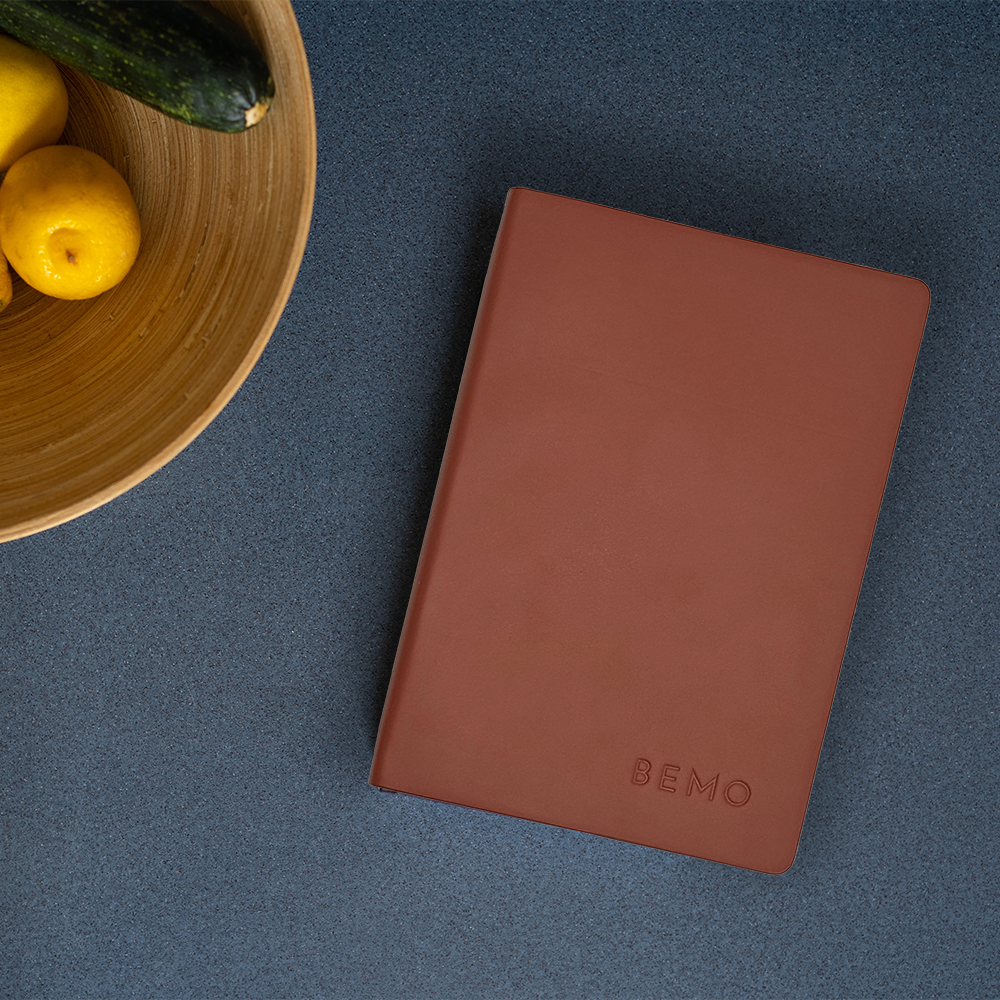
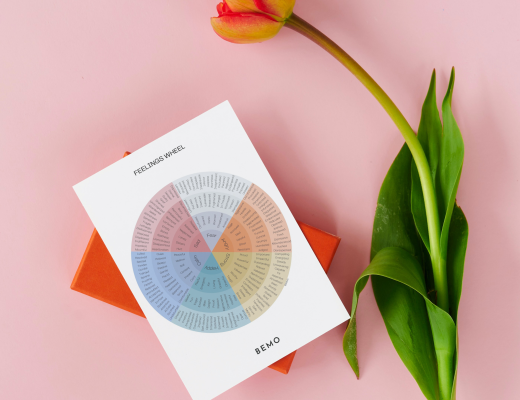
- The BeMo Journal. Every journal includes The BeMo Practice Guide at the front, along with the Feelings & Needs Wheel, so you can begin on your own, at your own pace. Explore The BeMo Journal →
- The BeMo Community. Learn the practice alongside others, with guided seasons, live gatherings, and real examples from people doing the same work. Come join us inside The BeMo Community →
However you begin, you’re welcome exactly as you are.
Learn more about The BeMo Practice →